


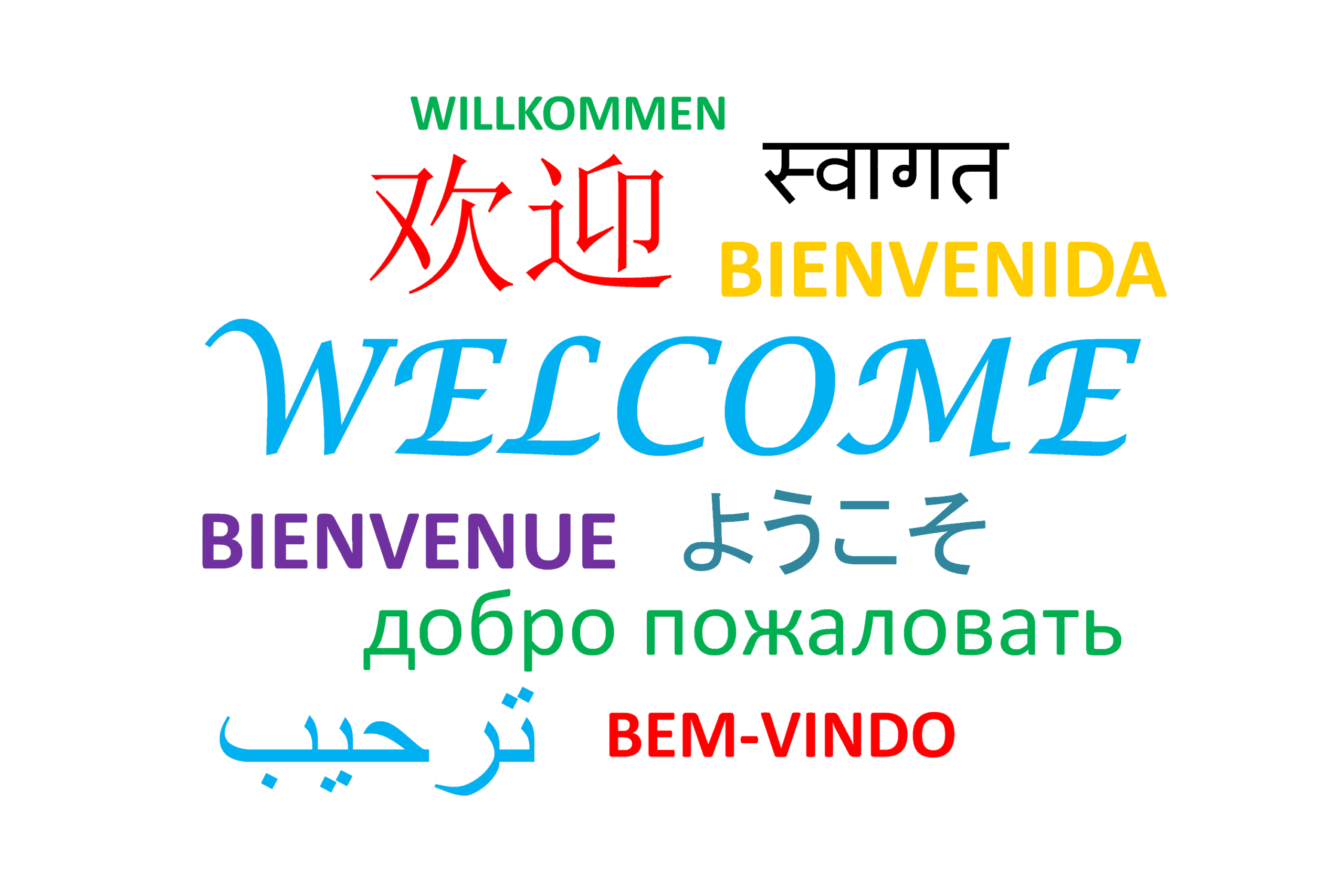
Localisation is the process of adapting content, products or services for a specific market or culture. Unlike translation which focuses on language, localisation also encompasses cultural adaptation of currencies, date formats, units of measurement, images, colours and legal requirements to ensure that the message feels natural and relevant to the target audience.
What distinguishes localisation from translation?
Translation transfers text from one language to another, whilst localisation adapts the entire user experience for the local market. This includes adjusting tone and style according to cultural expectations, replacing examples and references with locally relevant alternatives and adapting graphics and images that might be perceived differently across cultures. A professional language partner combines translation with localisation expertise. They understand that successful international expansion requires more than words – it requires an understanding of local values, purchasing behaviours and communication styles.
Benefits of professional localisation
Localisation increases sales by building trust with local customers who feel the product has been created specifically for them. It reduces the risk of cultural missteps that could damage the brand and ensures compliance with local regulations and standards. An experienced translation partner offers localisation according to ISO standards with ISO-certified system support. They work with local reviewers who validate that the translation and adaptations work in the target culture and use tools such as ICR (In-Country Review) where the client’s own local team can review and approve the content before publication. Learn more about Fluid Translation’s working process!