


Translating a website requires both linguistic competence and an understanding of how web content functions digitally. The method used depends on whether you are translating a single page or part of a larger multilingual website and which CMS system is being used.
Identifying translatable content
A website contains different types of content that must be managed: main text and headings which are the core content, meta-titles and meta-descriptions for SEO, alt-text for images for accessibility and SEO, as well as buttons, forms and call-to-action elements that drive conversion. Navigation menus and footer content must also be translated consistently throughout the entire website. Identify which content should be translated directly and which needs cultural adaptation. Certain images, video content or examples might need to be replaced to ensure relevance for the target market.
Translation methods
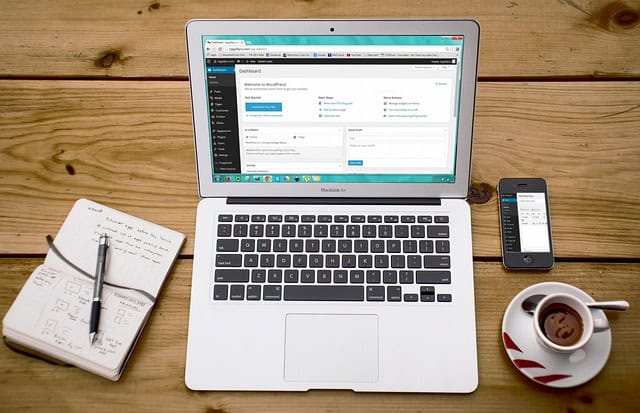
For individual pages, content can be exported manually as HTML or extracted to document format for translation. This is inefficient for larger volumes but can work for individual landing pages. For larger volumes or regular updates, CMS plugins or direct integration with translation tools are used. WordPress, for example, has plugins such as WPML that can extract content, but professional solutions with direct connection to translation tools are considerably more effective.
SEO optimisation for web pages
Translated web pages must be optimised for local search engines. Meta titles and meta descriptions are translated using local search terms that the target audience actually searches for. Headings (H1, H2, H3) are structured with relevant keywords. URL slugs can be translated or adapted for better SEO if the website structure permits. Hreflang tags are implemented to tell Google which language versions are available, which improves SEO and user experience when search engines display the correct language version to users.
Technical implementation
Translated content must be published correctly in the CMS system. Language switchers can be added so that users can easily switch between language versions. Layout should be checked because translations are often longer than the original text, which might affect the design. Internal links must be updated so that they point to the translated versions of target pages. Forms and interactive elements should be tested to ensure that they function in the new language. An experienced translation partner offers solutions according to ISO standards with ISO-certified system support for efficient website translation including CMS integration for seamless management, SEO optimisation with keyword analysis, an ICR (In-Country Review) platform where reviewers can validate translations and technical support for implementation and publishing. Read about how we helped our client Acuvi translate an entire website into German.