


Translating an entire website requires systematic planning, the right tools and professional processes to ensure quality, SEO optimisation and efficient publishing. There are several methods depending on the website’s size, CMS system and how frequently content is updated.
The modern automated method with CMS integration
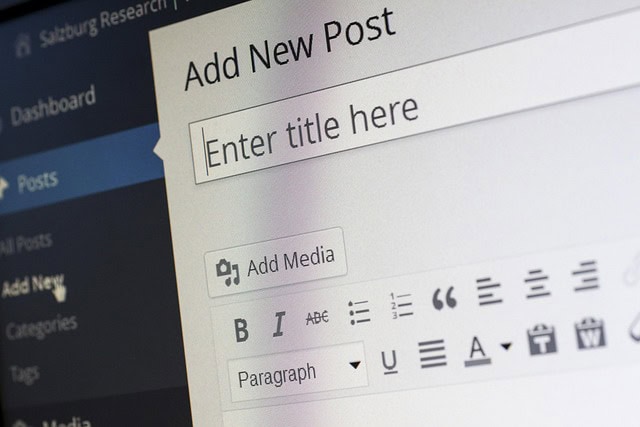
The most efficient method is via a direct connection between the CMS system and a professional translation tool. This automates the process when compared to manual export and import of the files. Content is automatically extracted from the CMS system, translated in a professional translation environment with access to term bases and translation memories, then automatically published back as parallel pages in new languages. This works for most modern CMS systems such as WordPress, Drupal, Figma and SharePoint. An experienced translation partner sets up the technical integration so that it streamlines the process and eliminates manual steps that can easily lead to errors.
Preparation and content planning
Before translation begins, content should be prioritised. Start with the most important pages such as the homepage, product pages and contact information. Identify content that requires cultural adaptation such as images, video content or local references. Create a style guide and terminology list for important company terminology that should be translated consistently. Decisions need to be made about URL structure for multilingual websites, how language switching should work for users and how SEO should be optimised for each market with local keywords.
Translation and SEO optimisation
Professional translation of web content includes SEO optimisation where meta titles, meta descriptions and headings are adapted with local keywords that the target audience uses. URL slugs are translated or adapted for better SEO. Internal link structure must function correctly between language versions. Copywriters might need to rework marketing copy so that messaging works in the target market. This goes beyond direct translation and requires an understanding of the local market and customer perspective.
Review and publishing
The ICR (In-Country Review) platform allows local reviewers or the client’s own team to validate translations before publishing. They can adjust terminology and phrasing directly in the translation environment to ensure content performs optimally for the target market. After publishing, a website should be tested to verify that all links work, that language switching functions smoothly and that the layout appears correctly on all devices. Web analytics should be set up to track performance for each language version. An experienced translation partner offers a complete solution according to ISO standards with ISO-certified system support including CMS integration for automated processes, SEO optimisation with local keywords, an ICR (In-Country Review) platform for client validation and support for technical implementation and launch.